
In the exciting atmosphere of the early days of implementing the Resolution of the 14th National Party Congress, from July 29 to 30, 2026, in Ha Long City, Quang Ninh Province, the Ministry of Foreign Affairs solemnly organized the 2nd Conference of Honorary Consuls of the Socialist Republic of Vietnam abroad. With the theme of comprehensive assessment and enhancing operational efficiency, the conference was not only a forum to honor silent contributions but also a place to create new momentum for connecting trade, investment, and protecting Vietnamese citizens globally.
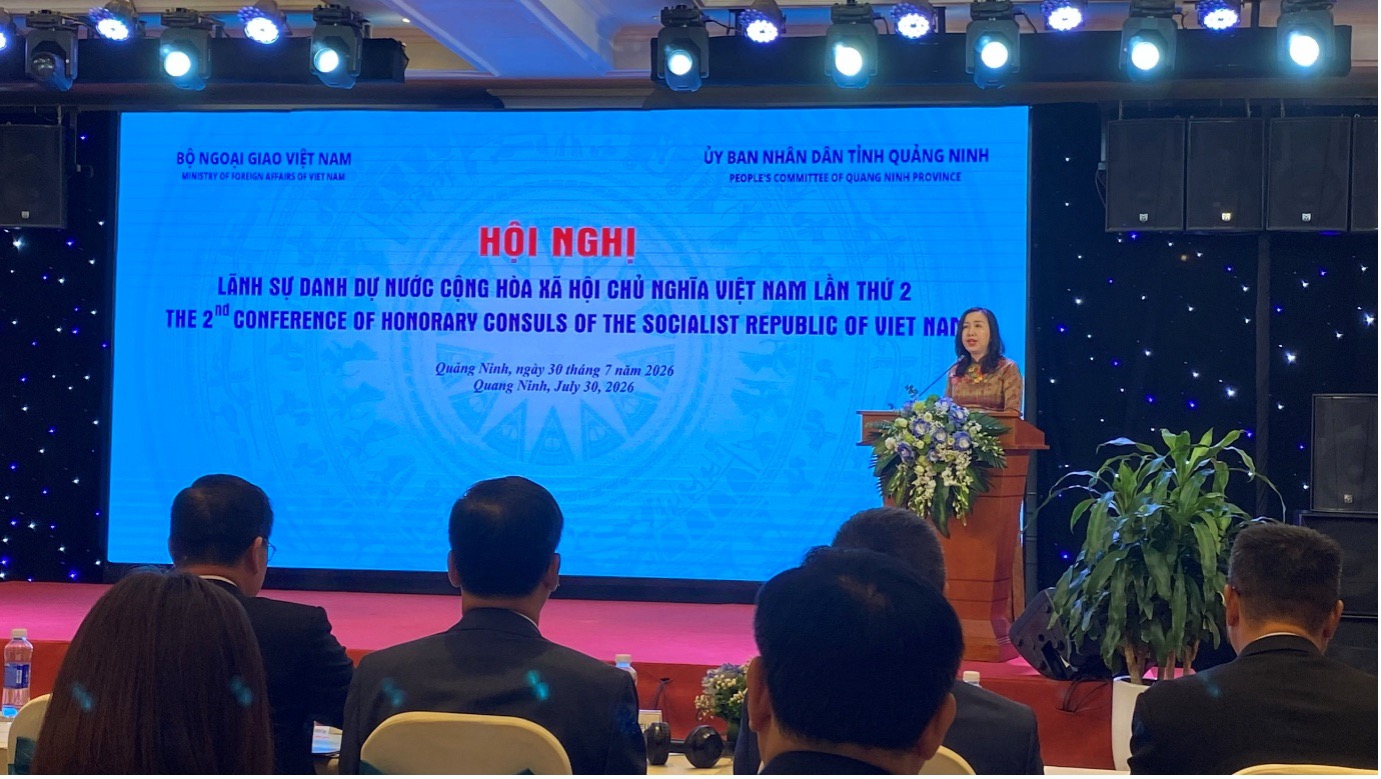
Deputy Minister of Foreign Affairs Le Thi Thu Hang delivered the opening speech
Special Stature and Context
The 2nd Honorary Consuls Conference took place at a turning point for the country and the diplomatic sector. This is the first year Vietnam enters a new development phase after the 14th Congress, aiming for strategic goals for 2030-2045. Notably, the event occurred just before the 33rd Diplomatic Conference—the most important forum of the Vietnamese diplomatic sector to be held in Hanoi.
In her opening speech, Deputy Minister of Foreign Affairs Le Thi Thu Hang emphasized that the honorary consul is a special institution widely recognized in international law and practice. In Vietnam, this system is increasingly expanding and developing strongly, consistent with the trend of expanding foreign relations and deep international integration of the country.
Growth in Scale and Network
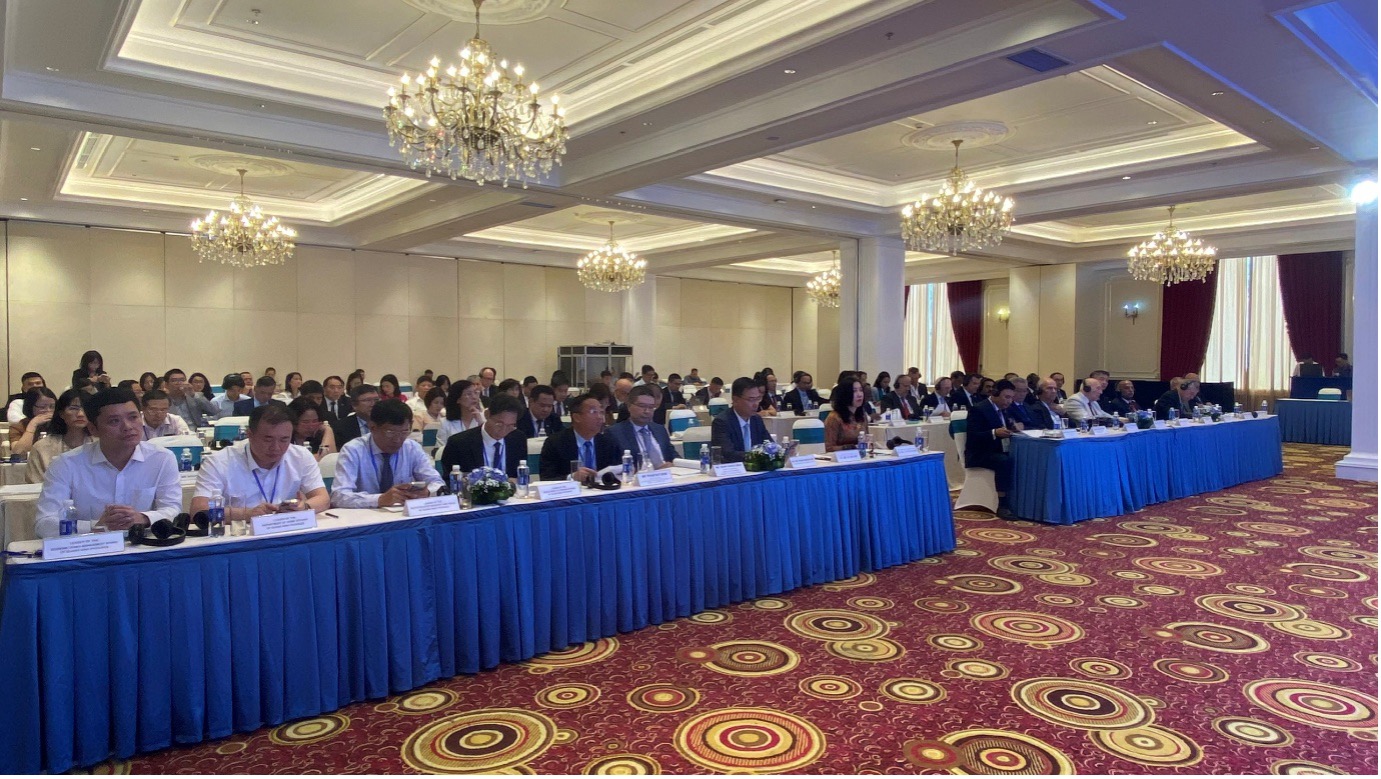
Overview of the conference
Since the 1st Honorary Consuls Conference, Vietnam's honorary consul system has made significant progress in both quantity and quality. According to the summary report of the Consular Department, in the past period, the Ministry of Foreign Affairs has appointed 22 new honorary consuls, reappointed 32, and terminated the activities of 6.
Currently, Vietnam has 48 honorary consuls operating effectively across continents worldwide. Among them, the European region accounts for the largest proportion with 20 positions; followed by Asia-Pacific (11), the Middle East - Africa (10), and the Americas (7). At this conference, 25 honorary consuls from all continents traveled long distances to be present in person to exchange and share experiences.
“Extended Arms” and Passionate Dedication
Deputy Minister Le Thi Thu Hang affirmed that honorary consuls are not Vietnamese civil servants; they ensure their own operating expenses and work truly with passion and affection for Vietnam. They are the “extended arms” of Vietnam's representative missions abroad, helping to promote the country's image through their personal prestige and extensive relationship networks in the receiving country.
- In citizen protection and community support: Many honorary consuls did not mind danger during challenging periods such as the COVID-19 pandemic or recent armed conflicts in Russia, Ukraine, and the Middle East. They actively supported Vietnamese citizens in evacuating to safety, assisted those in difficult circumstances, and coordinated closely with representative missions to protect the legal rights and interests of Vietnamese people abroad.
- In promoting economic and cultural cooperation: Many impressive achievements have been recorded and highly appreciated. For example: the Honorary Consul in Cyprus made efforts to advocate for the ratification of the EU-Vietnam Investment Protection Agreement (EVIPA); the Honorary Consul in Aichi (Japan) actively promoted the establishment of the Vietnam-Japan Friendship Association in the area; the Honorary Consul in Minas Gerais (Brazil) campaigned for the establishment and naming of the Socialist Republic of Vietnam Road in Belo Horizonte city, contributing to enhancing Vietnam's influence and image in the region.
Breakthrough in Policies and Support Mechanisms
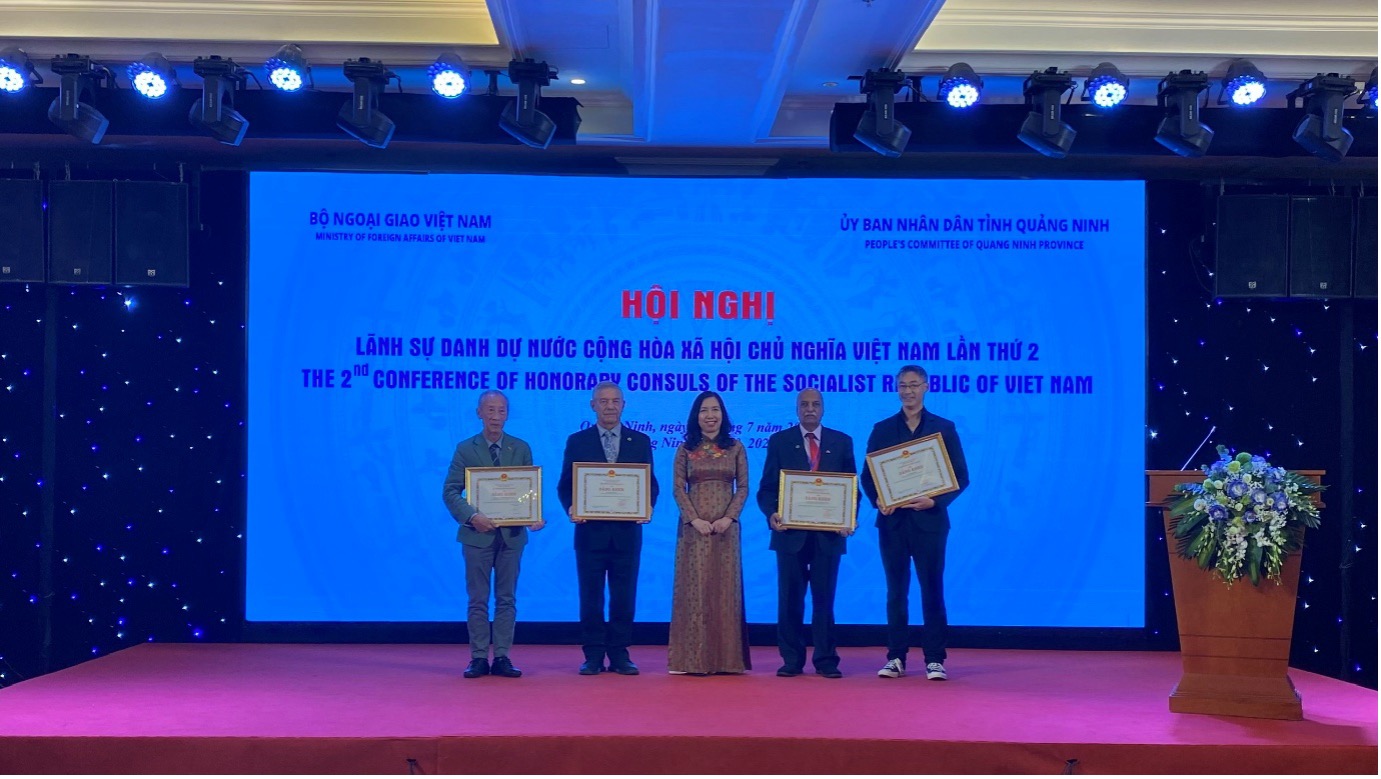
Deputy Minister of Foreign Affairs Le Thi Thu Hang presents commemorative medals to outstanding Honorary Consuls.
To honor and create the most favorable conditions for honorary consuls, the Ministry of Foreign Affairs has made breakthrough institutional recommendations. One of the most important results is the Government's issuance of Decree No. 221 of 2025, which includes Vietnamese honorary consuls abroad in the special group eligible for entry visa exemptions.
Accordingly, honorary consuls will be considered for the issuance of electronic visa exemption cards with a term of up to 3 years, allowing multiple entries and exits into Vietnam. To date, the Consular Department has proposed issuing cards to 34 honorary consuls in the first batch. This mechanism is expected to help honorary consuls travel easily and connect more effectively with ministries, sectors, and localities in the country to perform their mission.
In addition, the Ministry of Foreign Affairs also committed to regularly guiding, providing information, and promptly rewarding individuals with outstanding achievements to encourage the dedication of this team.
Hai Phong: Proactive Connection and Seizing Opportunities
Implementing the orientation of local foreign affairs serving development, the Hai Phong Department of Foreign Affairs sent a delegation led by Ms. Nguyen Thi Thanh Huong, Deputy Director of the Department, to attend the conference. The participation of Hai Phong's foreign affairs leadership at this event aimed not only to absorb new consular orientations from the Ministry of Foreign Affairs but also to directly connect with the global honorary consul network.
For a dynamic port city like Hai Phong, accessing the honorary consul network is a valuable opportunity to:
- Promote the investment environment: Introducing the potential of industrial parks, economic zones, and especially logistics infrastructure projects to partners through the prestige of honorary consuls in their host countries.
- Expand export markets: Taking advantage of the honorary consuls' local knowledge to bring Hai Phong businesses' goods to new markets, especially remote areas in Africa or Latin America.
- Strengthen citizen protection: Coordinating information to support Hai Phong workers, sailors, and students working and studying abroad in the timeliest manner.
Challenges to be Resolved
Besides the results achieved, the conference also frankly recognized the difficulties and obstacles in honorary consul activities. Some prominent issues discussed included:
- The selection of candidates at some representative missions sometimes lacked thorough investigation into infrastructure conditions, leading to inconvenient office locations.
- Some cases where candidates were introduced but requested to stop during the procedural process due to health conditions or personal reasons.
- Coordination and periodic reporting between honorary consuls and management agencies are sometimes not synchronized.
Future Network Development Orientation
Concluding the discussion sessions, the Ministry of Foreign Affairs set out 5 groups of key tasks to improve the effectiveness of the honorary consul system in the coming time:
- Perfecting legal policies: Continuing to review and create maximum convenience for the appointment, reappointment, and activities of honorary consuls.
- Maintaining exchange forums: Periodically organizing conferences and seminars to provide information and share experiences between localities and businesses with honorary consuls.
- Expanding the network: Researching fundamental solutions to develop the honorary consul system in strategic areas where Vietnam's presence is still missing.
- Strengthening management and direction: Vietnamese representative missions abroad need to maintain close contact, provide direct support, and promptly resolve difficulties for honorary consuls.
- Providing diverse information: Regularly introducing economic potential, cooperation opportunities, and Vietnamese cultural identity so that honorary consuls become more attached to and have a deep understanding of the country.
The 2nd Honorary Consuls Conference concluded with strong commitments and a high spirit of solidarity. The contributions of the honorary consul team will continue to be an important resource, contributing to bringing relations between Vietnam and other countries to a new level, effectively serving the cause of national development and protection in the new situation.