
On May 16, 2026, in Hanoi, the Steering Committee for the heritage dossier organized a National Review Conference on the scientific dossier for the "Yen Tu - Vinh Nghiem - Con Son, Kiep Bac Landscape Complex." This event not only reviewed a challenging five-year journey but also served as an occasion to draw valuable lessons for future conservation efforts and heritage nominations in Vietnam.
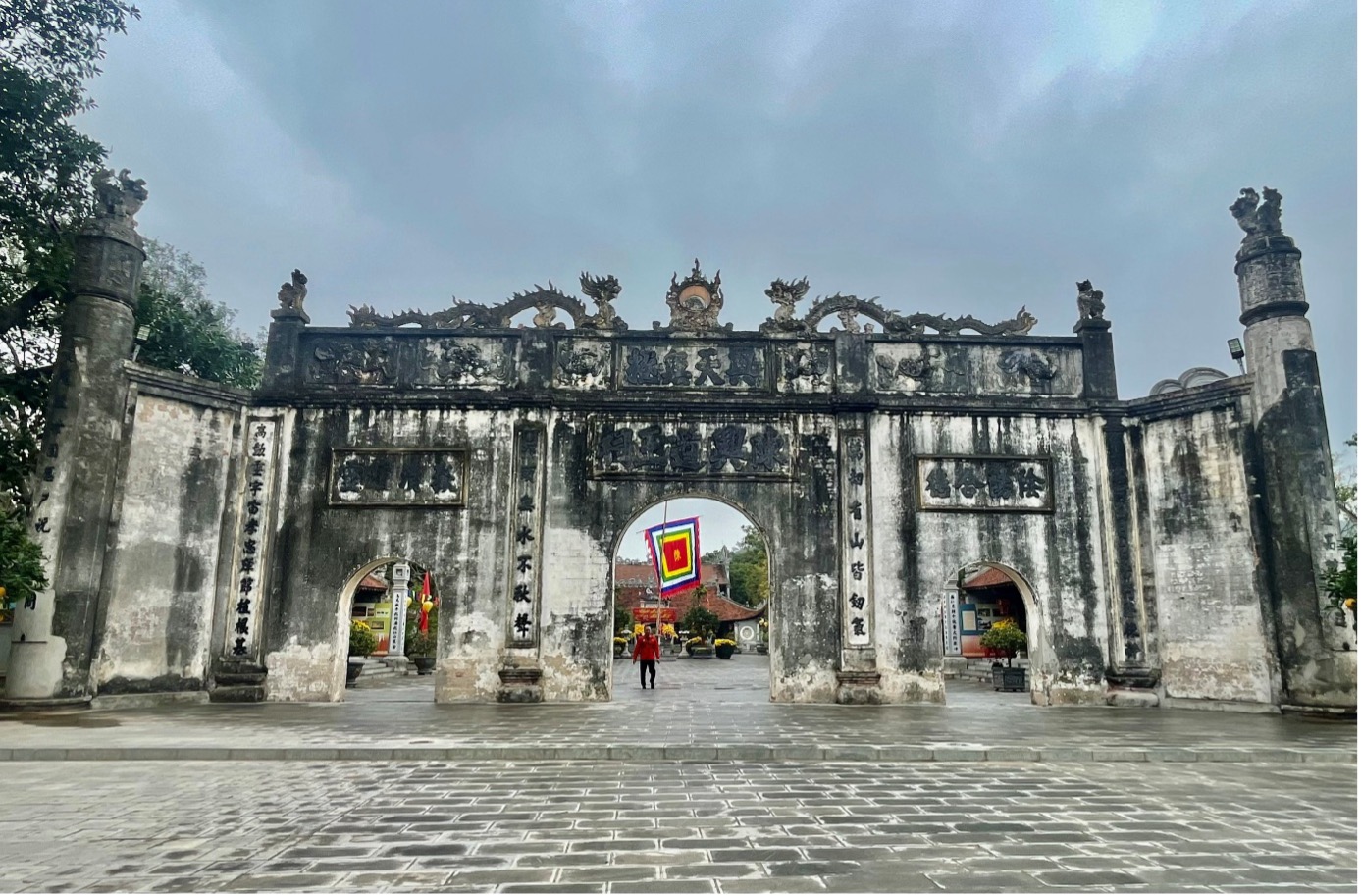
Kiet Bac Temple, located in Tran Hung Dao ward, Hai Phong city, is a historical site within the Yen Tu - Vinh Nghiem - Con Son - Kiet Bac World Cultural Heritage Complex (Source: https://thuonghieuvaphapluat.vn/quan-the-yen-tu--vinh-nghiem--con-son-kiep-bac-duoc-cong-nhan-di-san-van-hoa-the-gioi-d74862.html)
A Five-Year Journey: From Concept to Global Recognition
The process of building Vietnam's first inter-provincial heritage dossier began in June 2020 following the Prime Minister's directive to include the former Hai Duong province in the research area for the Yen Tu complex. By September 2020, three localities—Quang Ninh Province, Bac Ninh Province, and Hai Phong City—officially committed to submitting the dossier to UNESCO.
This journey was divided into several key phases:
- 2020 - 2022: This was the foundational period, carried out amidst the complexities of the COVID-19 pandemic. Localities collaborated to survey and collect documents across a vast area spanning three provinces and six districts with rugged, high-mountain terrain. In February 2021, UNESCO officially added the dossier to the Tentative List.
- 2023 - 2024: The focus shifted to perfecting the scientific dossier according to the latest UNESCO templates. After multiple adjustments, the official name was finalized as the “Yen Tu - Vinh Nghiem - Con Son, Kiep Bac Landscape Complex”. The formal nomination was submitted to the World Heritage Centre on January 26, 2024.
- Appraisal and Defense (2024 - 2025): This was the most intense phase, featuring field appraisals by ICOMOS experts in August 2024 and complex supplementary reports explaining the site's authenticity, intangible heritage, and management model.
The effort culminated at 6:02 PM on July 12, 2025, during the 47th Session of the World Heritage Committee in Paris, where the complex was officially honored as Vietnam's 9th World Heritage Site.
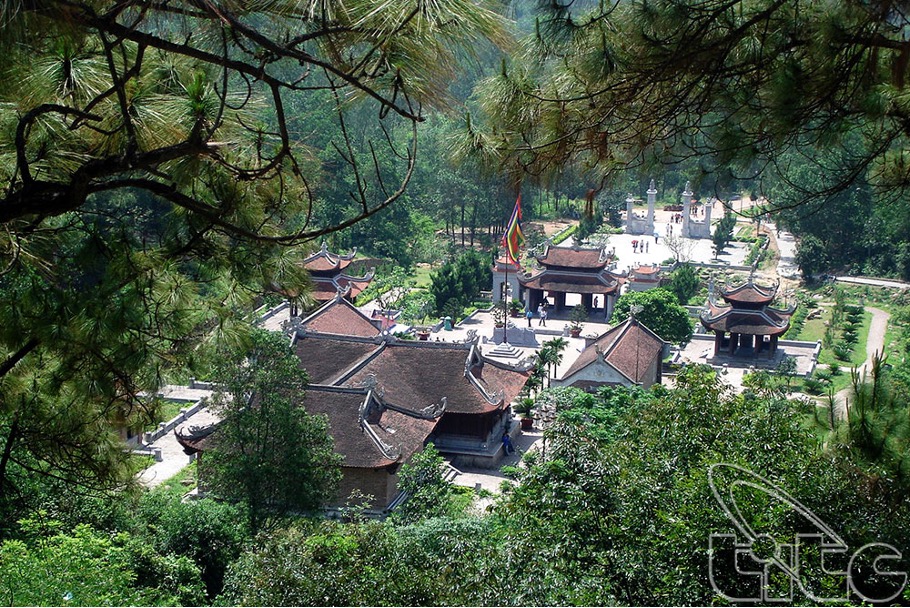
Con Son Relic Site ( Source: Huy Hoang/vietnamtourism.com)
Inter-provincial Coordination: A Model for Regional Linkage
The success of this dossier left a profound mark as an unprecedented inter-provincial coordination model.
- Unified Leadership: The establishment of a Steering Committee led by the Ministry of Culture, Sports, and Tourism, alongside an Executive Board comprising Vice Chairmen from the three provinces, ensured synchronized decision-making. The Executive Board held over 100 meetings to urge progress and resolve emerging obstacles.
- Shared Financial Resources: The provinces agreed on a specific funding mechanism: Quang Ninh was responsible for 80%, while Bac Ninh and Hai Phong each contributed 10% of the costs for building and defending the dossier.
- Joint Management: A Coordination Regulation (No. 08/QCPH-UBND) was signed on July 30, 2024, to manage, protect, and promote the heritage value consistently across the entire inter-provincial boundary.
Invaluable Lessons and Experiences Learned
Based on the actual implementation, the review conference identified key lessons for future heritage nominations:
First: Scientific selection of criteria and Outstanding Universal Value (OUV). Initially, the dossier considered four criteria, but after research and expert consultation, it was narrowed down to three (iii, v, and vi) to highlight the story of Truc Lam Buddhism and human interaction with the natural landscape. Furthermore, following expert recommendations, the site list was boldly reduced from 20 monument clusters to the 12 most representative ones, making the dossier more concise, persuasive, and compliant with strict integrity requirements.
Second: Utilizing the intellectual power of domestic and international experts. The dossier was the result of research by the National Council for Cultural Heritage, leading institutes, and direct consultation from international experts. Inviting international experts for field surveys and direct feedback allowed the dossier to align closely with UNESCO standards from the drafting stage.
Third: Proactive advocacy and cultural diplomacy. Vietnam implemented a multi-level advocacy campaign: At the Expert Level: Organized direct and online dialogues with ICOMOS in Paris to explain complex technical issues; At the Diplomatic Level: The "Vietnam Discovery Day 2025" program invited foreign diplomats to visit the site, building support within Vietnam. Direct meetings with 20 Ambassadors of World Heritage Committee member states in France proved decisive. Furthermore, tight coordination between the Ministry of Culture, Sports, and Tourism and the Ministry of Foreign Affairs was absolutely essential.
Fourth: Connecting heritage with the community and sustainable development. The dossier proved the active participation of the community, from Buddhist monks and site caretakers to local residents. Intangible elements, such as festivals, effectively supported the physical heritage. The vitality of the site was evidenced by the surge in visitors post-inscription: in the first four months of 2026, visitor numbers increased by 122.6% at Yen Tu (Quang Ninh), 141% at the Bach Dang site, and 18% at Con Son - Kiep Bac (Hai Phong) compared to the same period the previous year.
Tasks in the New Era
Despite the recognition, significant work remains. Per UNESCO recommendations, the provinces must complete 13 priority tasks by December 1, 2026. these include:
- Developing a post-inscription Heritage Management Plan.
- Creating protection regulations in accordance with the 2024 Law on Cultural Heritage.
- Initiating a research project on traditional knowledge regarding intangible heritage.
The success of the Yen Tu - Vinh Nghiêm - Con Son, Kiep Bac complex demonstrates that with determination, synchronized coordination, and scientific methodology, Vietnam can brilliantly showcase its cultural values on the international stage. The lessons from this journey will serve as a "compass" for Vietnam's future heritage nominations on the path to being inscribed on the World Heritage List.