
On June 12, 2026, Minister of Health Dao Hong Lan signed and issued Decision No. 1709/QD-BYT, approving the National Target Program on healthcare, population, and development for the 2026–2035 period. Immediately after this decision took effect, the Hai Phong City People's Committee issued urgent directives to substantialise the Government's strategic goals in accordance with local realities.
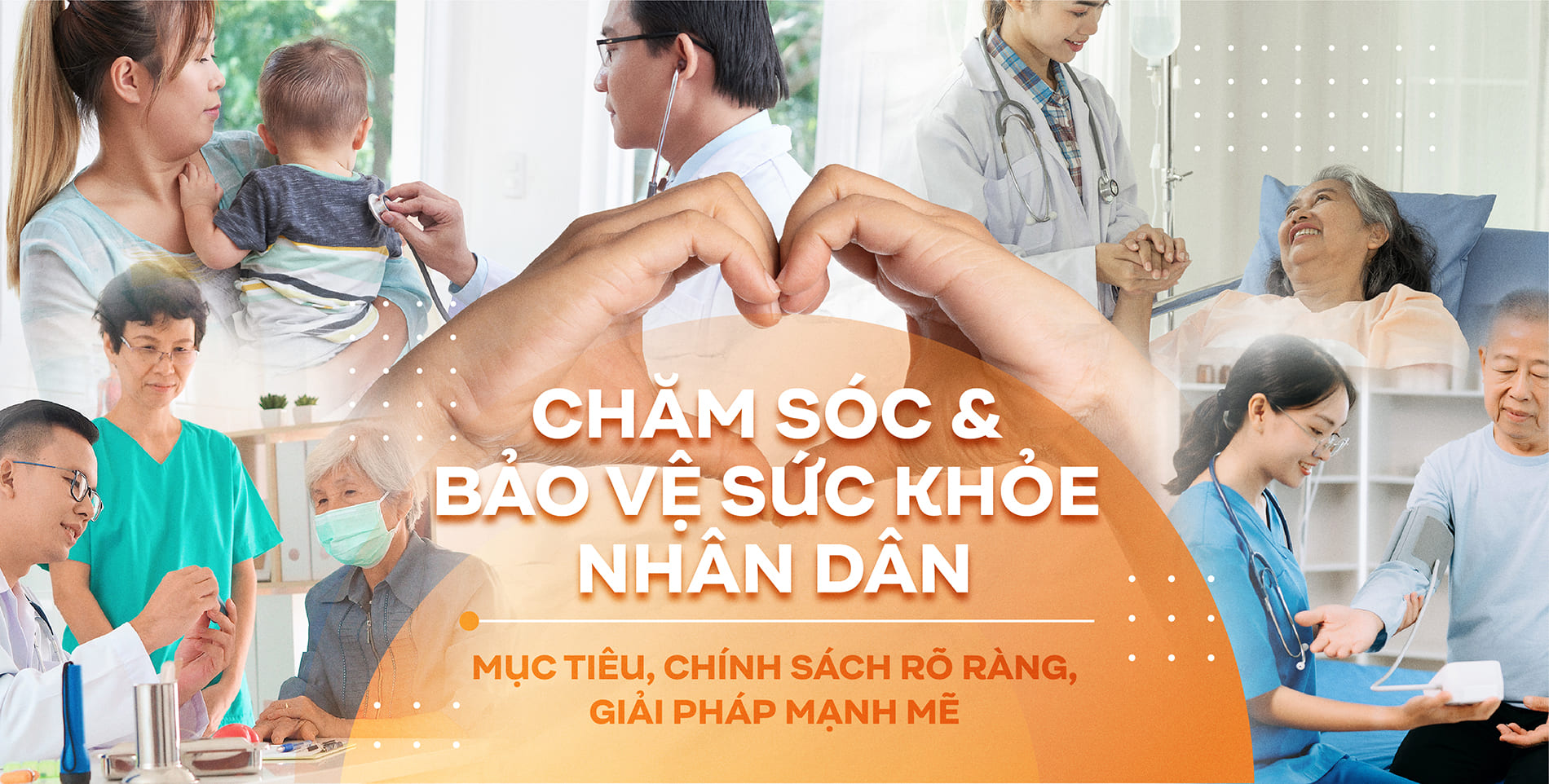
Strategic Vision of Program 1709
The new National Target Program is designed with a long-term roadmap divided into two phases, with Phase I running from 2026 to the end of 2030. The overall goal is to ensure that all citizens receive primary healthcare management, early disease prevention, and remote care starting at the grassroots level. The program sets ambitious targets for 2030:
- 100% of citizens to have electronic health records and life-cycle health management.
- 100% of Centers for Disease Control (CDC) at the provincial and city levels to have sufficient capacity to test for dangerous infectious disease agents.
- 100% of commune and ward health centers to implement prevention and treatment for non-communicable diseases.
- Reduce the rate of stunting malnutrition in children under 5 to below 15%.
Hai Phong's Urgent Actions
Following the Ministry of Health's directives, Vice Chairman of the Hai Phong City People's Committee Vu Tien Phung assigned specific tasks to departments and sectors to implement the program. The Hai Phong Department of Health was designated as the standing agency, responsible for advising on coordination, inspection, and comprehensive supervision of the implementation results across the city.
City leaders required the Department of Health to lead and coordinate with relevant parties to urgently develop the Action Plan for the 2026–2030 period, to be submitted to the City People's Committee for completion by July 15, 2026. A notable point in this directive is the requirement for the Department of Health to review, adjust, and integrate existing plans (including Proposals No. 158 to 163 currently awaiting approval) to ensure consistency and avoid overlapping resources.
5 Key Projects to be Implemented Locally
Based on the structure of Decision 1709, Hai Phong will focus on several core component projects:
- Enhancing Grassroots Health Capacity: Focusing on infrastructure and equipment investment for 100% of commune and ward health centers to meet the Ministry of Health's new standards. Simultaneously, the city will promote the training of specialized doctors for the grassroots level, prioritizing family medicine.
- Disease Prevention and Health Improvement: Providing modern equipment for the Hai Phong CDC to identify bacteria and perform multi-agent analysis for epidemic prevention. The city will also participate in the roadmap to end AIDS and tuberculosis and eliminate malaria by 2030.
- Population and Development: Implementing activities to encourage young men and women to marry before age 30 and have two children. Hai Phong—one of the localities needing to control the sex ratio at birth—will promote interventions to reduce the imbalance to below 109 boys per 100 girls.
- Social Care for Vulnerable Groups: Upgrading social protection and nursing facilities, and piloting day-care models for people with severe disabilities and children with autism.
- Communication and Digital Transformation: Striving for 100% of commune health centers to deploy comprehensive management platforms interconnected with the VNeID application.
Resources and Implementation Mechanisms
The total funding requirement for Phase I nationwide is 88,635 billion VND. In Hai Phong, the Department of Finance is tasked with leading the advisory on the allocation of central budget support and balancing the annual local budget. The city will implement an effective mechanism for integrating public investment capital and regular operating funds to execute the program.
Furthermore, People's Committees of communes, wards, and special zones in Hai Phong are required to proactively develop their own plans, allocate resources according to decentralization, and increase mobilization of people to participate in community healthcare activities.
By resolutely implementing Decision 1709, Hai Phong expects to create a turning point in preventive medicine and universal health management. Utilizing digital transformation as a lever—through electronic health record systems and remote medical consultation—will help the Port City's residents access high-quality medical services quickly and conveniently.
The success of the program will not only increase the life expectancy and quality of life for Hai Phong's residents but also contribute to building a modern grassroots health system that effectively adapts to future population aging.