
In a powerful move to revitalize the business environment and propel the city toward its ambitious development targets, Hai Phong has officially launched a comprehensive implementation plan following the Prime Minister’s conclusions at the National Standing Government Conference with the business community. Centered on the theme “Removing Bottlenecks – Unlocking Resources – Promoting Growth,” this initiative marks a decisive shift from policy discussion to practical action, aiming to turn Hai Phong into a beacon of high-tech and sustainable growth.
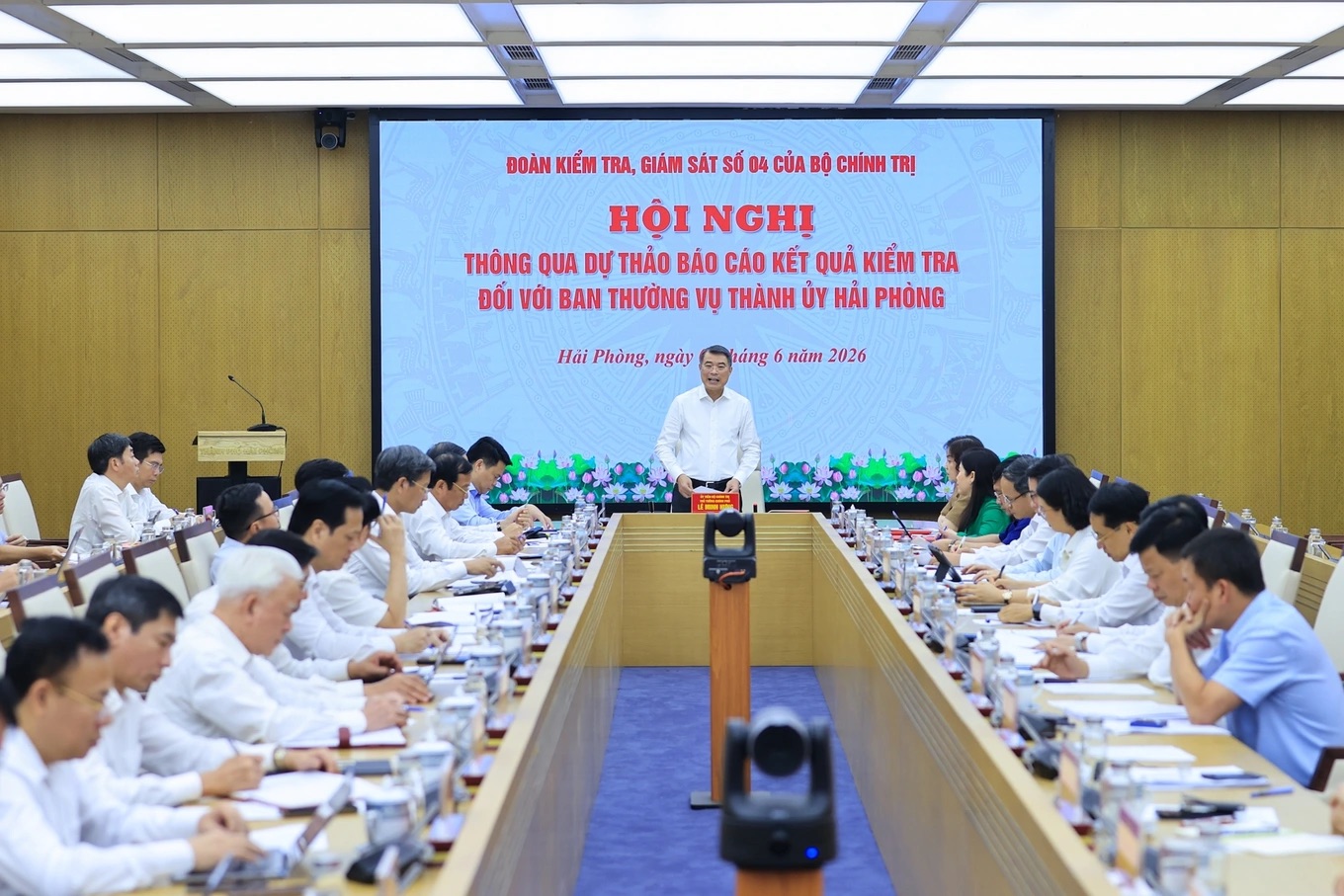
On July 18, 2026, Prime Minister Pham Minh Chinh chaired a landmark conference with 247 leaders from state-owned enterprises, private corporations, foreign-invested firms, and business associations. The conference recognized that by June 2026, Vietnam’s business community had grown to over 01 million active enterprises, contributing more than 60% of the national GDP and 55% of total budget revenue. However, despite these achievements, the Prime Minister highlighted several critical "bottlenecks": State-Owned Enterprises (SOEs) have not yet met their full potential, small and medium enterprises (SMEs) face capital and technology limitations, and Foreign Direct Investment (FDI) firms still lack strong linkages with the domestic economy. To achieve the goal of double-digit economic growth, the Government has defined the spirit of engagement as: “Urgency – Drasticness – Efficiency – No avoidance – No shifting of responsibility”.
Immediately after receiving directives from the Central Government, the People's Committee of Hai Phong City issued a document directing departments, agencies, and localities to implement the Prime Minister's conclusions on Resolution No. 11-NQ/TU, which sets an ambitious goal of achieving an average GRDP growth rate of 13% or higher in the period 2026–2030. The city’s implementation strategy is built upon the principle of being “citizen and business-centered”. Leadership at all levels has been instructed to prioritize the execution of tasks and administrative discipline, with a firm warning that heads of departments will be held personally accountable for delayed dossiers or the creation of unofficial procedures.
One of the most significant shifts in Hai Phong’s approach involves the liberalization of credit and the efficient use of land resources.
- Banking and Credit Reform: The State Bank of Vietnam (Branch 6) has been directed to instruct credit institutions to shift toward lending models based on feasible business plans, historical cash flows, and corporate prestige, rather than solely relying on physical collateral. Furthermore, banks are encouraged to extend the maturity of working capital loans from the traditional 3–6 months to at least 12 months for industries with long business cycles.
- Land and Stalled Projects: The Departments of Finance, Natural Resources and Environment, and Construction, along with the Hai Phong Economic Zone Authority, are tasked with resolving long-delayed and stalled projects. The city is determined not to allow land and assets to go to waste, ensuring that businesses have streamlined access to land for investment and production.
Following the national trend of shifting from "pre-check" to "post-check" mechanisms, Hai Phong is drastically simplifying administrative procedures.
- Digitalization: The Department of Science and Technology, alongside the City Police, is leading the “100-Day Action Plan” to resolve bottlenecks in digital transformation within the political system. This includes supporting businesses in adopting new technologies and ensuring that the National Public Service Portal operates seamlessly.
- Tax and Treasury: The City Tax Department is required to process tax refunds and state payment obligations timely, while the State Treasury (Region III) must ensure rapid disbursement of public investment capital for eligible projects, preventing capital stagnation for contractors.
The city recognizes that a skilled workforce and strong industrial linkages are the backbone of sustainable growth.
- Human Capital: The Department of Education and Training is focusing on developing high-quality human resources that specifically meet the technical and management needs of modern enterprises, fostering direct links between vocational schools, research institutes, and factories.
- Strengthening Linkages: VCCI (Northern Coastal Branch) and the City Business Association are tasked with bridging the gap between SMEs and large FDI corporations. By synthesizing business needs for technology and digital transformation, these organizations act as a catalyst for creating domestic supply chains and value-added products.
Adhering to the Prime Minister's request to handle specific petitions substantively, Hai Phong is aligned with the national timeline to resolve major issues by August 2026. This includes addressing land pricing calculation issues (specifically the 3.6%/year supplementary payment for undetermined land price periods) and resolving the visa issuance process for foreign workers to ensure that high-tech projects have the necessary expert personnel.
The implementation of the Government’s conclusions in Hai Phong is more than a policy shift; it is a commitment to a new culture of governance. By removing the "fear of responsibility" and replacing it with a proactive, service-oriented mindset, Hai Phong is positioning itself to not only meet its 13% growth target but to become a model for the entire country.
The city calls upon the business community to uphold the spirit of self-reliance and innovation, strictly comply with the law, and actively participate in digital and green transformations. With the government and businesses acting as unified partners, Hai Phong is confident in overcoming all obstacles to build a modern, civilized, and prosperous port city in the regional and international arena./.