
To realize commitments on public health care and proactively adapt to population aging, the Hai Phong City Department of Health has issued a Plan for organizing periodic health check-ups and screening for common diseases for the elderly in 2026. This is a significant step in concretizing Resolution No. 49/2025/NQ-HDND of the City People's Council, affirming the government's deep concern for the senior generation in the port city.
Strategic Goals: Early Detection and Timely Intervention
The 2026 Plan goes beyond ordinary examinations to aim for comprehensive and sustainable health management for the elderly. Through this activity, the city's health sector wishes to detect chronic and non-communicable diseases early and implement preventive treatment for common ailments. Specific goals have been clearly set: strive for at least 20% or more of the elderly in communes, wards, and special districts to receive periodic health check-ups and disease screening. Particularly for the Bach Long Vy special district, the goal is to reach a 100% examination rate for the elderly.
100% of elderly participants will be notified of results and advised on health care knowledge, nutritional regimes, and disease prevention skills. 100% of the personnel in the examination teams will receive intensive training on reception procedures, examination techniques, and specialized health screening skills for the elderly. 100% of participating elderly individuals will have health records created and their information updated promptly into the management system.
Target Audience and Detailed Implementation Roadmap
The program is implemented citywide, for all individuals aged 60 and over currently living in Hai Phong. To ensure humanity and fairness, the plan identifies top priority groups including: elderly people under policy coverage, social protection subjects, poor and near-poor households, lonely individuals, those aged 80 and over, and people who have not had periodic health check-ups in recent times. The implementation roadmap is divided into two peak periods in 2026 so that localities can proactively arrange resources: (1) Phase 1: From April 15, 2026, to June 30, 2026; (2) Phase 2: From September 1, 2026, to November 30, 2026, focusing on units that have not completed their targets or have not implemented the program in Phase 1.
Comprehensive and Modern Examination Content
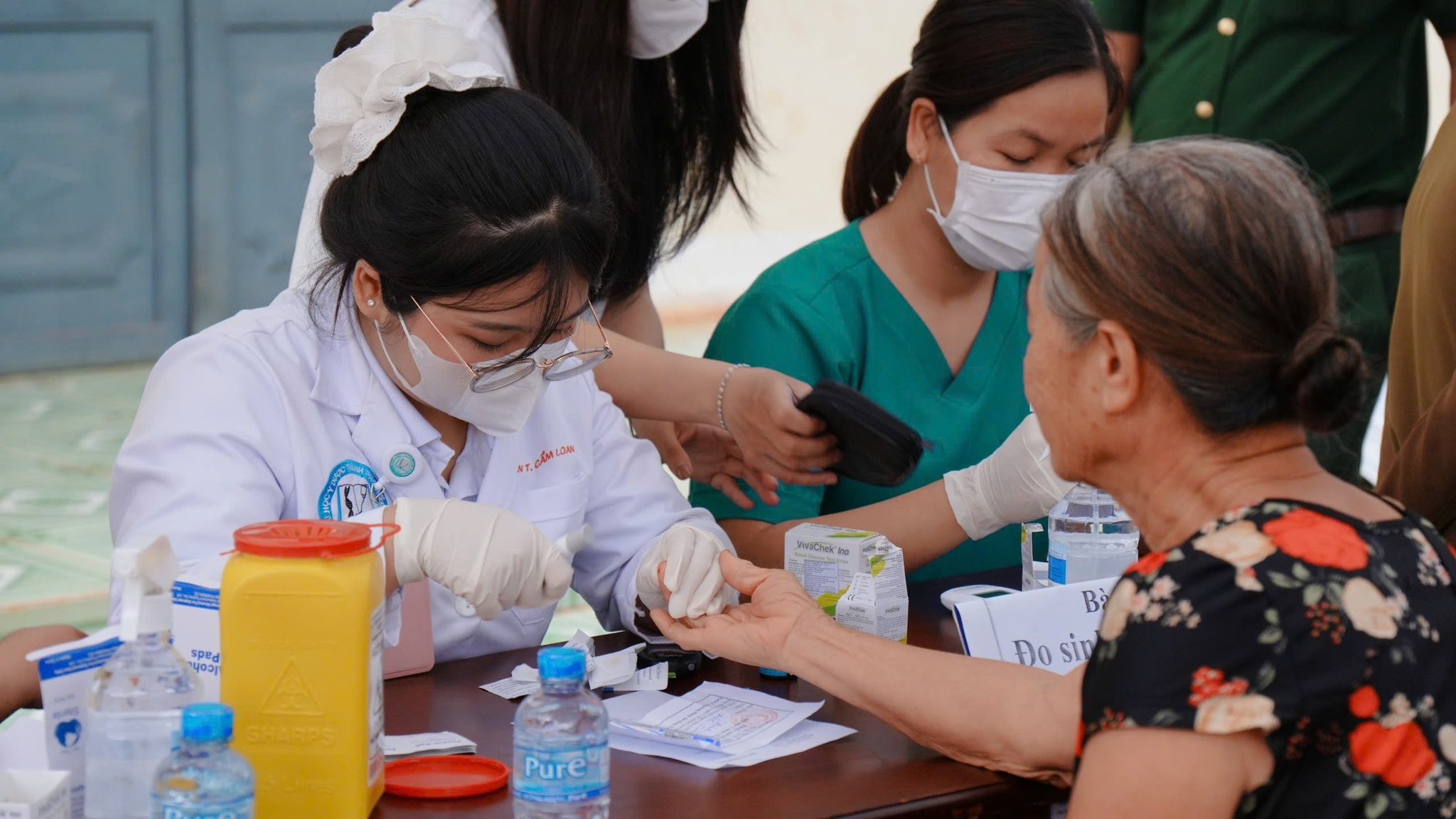
Based on Resolution No. 49/2025/NQ-HND, the 2026 examination list for the elderly includes essential and highly accurate services for screening chronic pathologies. Specifically, each citizen will undergo: (1) Clinical examination: General health status assessment; (2) Electrocardiogram (ECG): Screening for cardiovascular diseases; (3) Abdominal ultrasound: Detecting abnormalities in internal organs; (4) Capillary blood glucose testing: Screening for diabetes. In addition to the mandatory contents, the Department of Health also encourages localities and units to supplement other subclinical services based on funding sources to increase screening efficiency. Notably, examination results must be notified and returned to the elderly within 48 hours after the completion of the examination to ensure timely treatment if abnormalities are found.
IT Application in Health Management
One of the breakthroughs of the 2026 plan is the promotion of information technology application in health record management. After the examination, information on the elderly is not only recorded in manuals but must also be fully updated into electronic health records. This digitalization helps ensure synchronization and connectivity of citizens' health information across treatment levels, effectively serving long-term chronic disease monitoring and management. The health sector also emphasizes that the security of personal information must be the top priority in accordance with legal regulations.
Human Resource System and Strict Safety Procedures
To ensure quality, Health Centers are tasked with leading and coordinating with Commune and Ward People's Committees to establish Mobile Health Examination Teams with sufficient professional qualifications. These teams must be fully equipped with medicine, consumables, and essential medical equipment for first aid, ready to handle any situations arising during the examination. Sterile hygiene, infection control, and medical waste disposal procedures at mobile examination sites are required to be implemented as strictly as in hospitals. In particular, the examination area must be conveniently and airily arranged, giving maximum priority to supporting elderly people with limited mobility.
Involvement of the Entire Political System
Plan 203 affirms that caring for the elderly is not just the solitary task of the health sector but requires multi-sectoral coordination: (1) the Sub-department of Population and Children acts as the focal point for guidance and supervision; (2) the City Police and Department of Justice support the review of population information; (3) Elderly Associations at all levels are responsible for mobilizing and inviting members to participate fully according to the roadmap; (4) Commune-level People's Committees establish Steering Committees, ensure facilities, and mobilize socialized resources to increase the rate of elderly people receiving check-ups to meet or exceed the plan.
Funding and Commitment to Sustainable Development
The funding for implementation is mobilized from the 2026 city budget allocated for Resolution 49, combined with funding from the Health-Population program and other legal sources. The Department of Health also calls for the cooperation of sponsors and local socialization efforts to help increase healthy life years for the city's residents. The implementation of the periodic health examination plan for the elderly in 2026 is a testament to Hai Phong's sustainable development mindset: people-centered, emphasizing preventive medicine to reduce future treatment costs. With careful preparation in terms of human resources, materials, and legal procedures, Hai Phong is determined to build a healthy and dynamic community of elderly people, contributing directly to improving the population quality of the port city in the new era.