
Hai Phong, the largest port city in northern Vietnam, is facing significant challenges in waste management. With a growing population and economic development, the demand for effective waste management has become increasingly urgent. To address this issue, the city has implemented various measures to improve the efficiency of managing, collecting, transporting, and treating solid household waste.
According to statistics from 2022, Hai Phong has 135 temporary landfills, of which 123 are operational and 12 have ceased operations. To implement Plan No. 260/KH-UBND dated November 21, 2022, from the City People's Committee, Hai Phong has closed, covered, or repurposed 48 landfills, including 37 that have stopped operating since 2022. Currently, there are 87 operational landfills, mainly concentrated in the districts of An Lao, Tien Lang, Vinh Bao, Cat Hai, and Bach Long Vi.
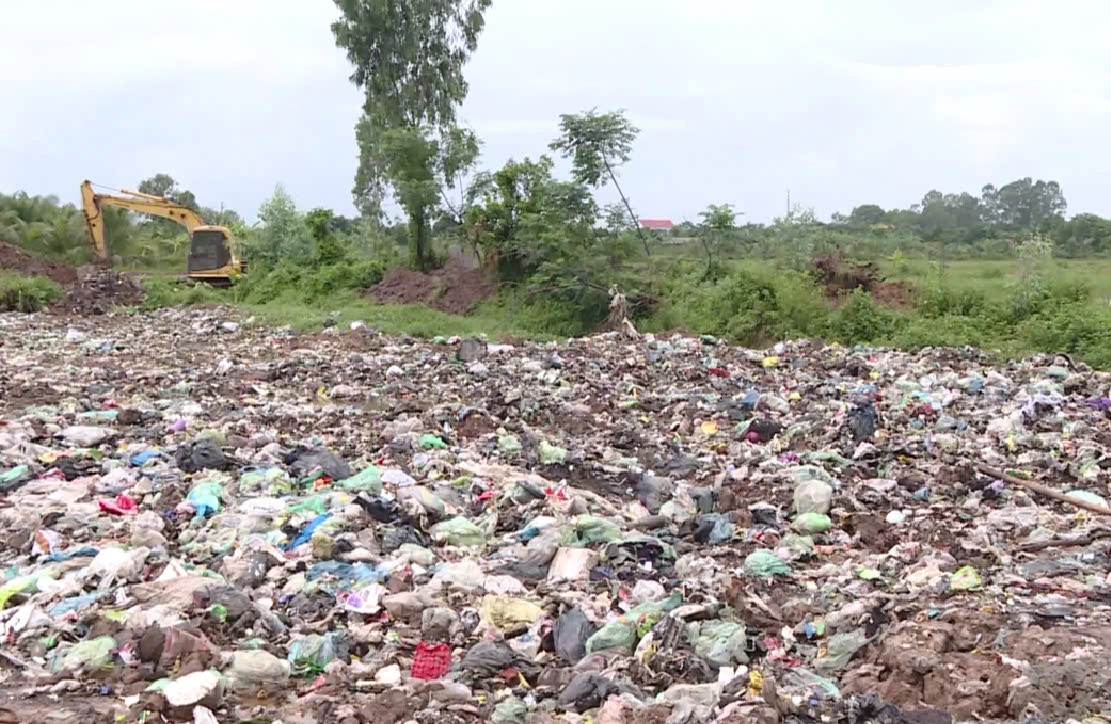
Temporary landfills in rural areas primarily use simple burial methods, posing a high risk of pollution.
It is expected that by the end of December 2024, the districts will upgrade 20 sanitary landfills and close 50 unsanitary landfills to improve the living environment for residents. By 2025, the districts of Tien Lang, Vinh Bao, An Lao, and Bach Long Vi will continue to upgrade, renovate, and close other small unsanitary landfills.
One of the city's key tasks is to invest in the construction of a solid waste treatment plant using waste-to-energy technology at the Dinh Vu Solid Waste Treatment Area. This project has been identified as one of the 28 major tasks to be implemented during the 16th Congress of the City Party Committee.
The City People's Committee has issued decisions related to the preparation of bidding documents and the selection of investors for the project. The plant is expected to begin trial operations in April 2027.
Additionally, the city is also investing in the construction of two construction waste treatment plants in An Duong District and the Dinh Vu Solid Waste Treatment Area, along with a modern solid waste treatment area on Bach Long Vi Island.
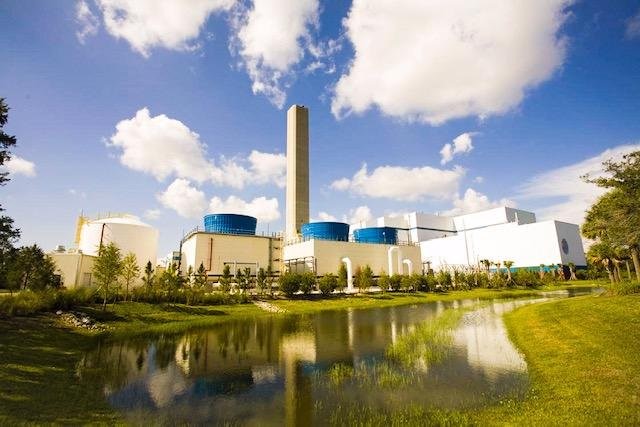
The waste-to-energy plant at the Dinh Vu Solid Waste Treatment Area is expected to be completed soon.
In accordance with the 2020 Environmental Protection Law, the Department of Natural Resources and Environment, along with the People's Committees of districts and relevant units, has reviewed and proposed the planning of 14 solid household waste transfer stations in the city. These stations will help enhance the efficiency of waste collection and transportation.
Currently, the city has 385 waste collection points, with plans to renovate 67 points and build 95 new points, raising the total number of collection points to 480.
In rural areas (An Lao District), there is still 1 out of 9 small incinerators privately invested, managed, and operated. The Department of Natural Resources and Environment has guided the An Lao District People's Committee to require the facility owner to complete environmental procedures as stipulated in point d, clause 2, Article 42 of the 2020 Environmental Protection Law and related regulations; and has guided the People's Committees of An Lao, Kien Thuy, Thuy Nguyen, and Vinh Bao districts to carry out procedures for handling public assets regarding the 5 BD Alpha incinerators that have ceased operations.
To ensure that waste collection, transportation, and treatment comply with regulations, the Department of Natural Resources and Environment collaborates with relevant authorities to inspect and check compliance with environmental protection laws by production, business, and service establishments in the city. Violations of laws regarding waste classification, collection, and treatment will be strictly penalized.
In the past year, there have been 160 violations penalized, with a total fine amounting to 423 million VND. This demonstrates the city's determination to raise community awareness about environmental protection.
Strengthening the management, collection, transportation, and treatment of waste in Hai Phong not only helps improve the living environment for residents but also contributes to the sustainable development of the city. These efforts need to be maintained and developed to meet the increasing demand for waste management in the context of rapid urbanization.