
In the afternoon of April 11, Comrade Lê Trung Kiên, Member of the Standing Committee of the City Party Committee and Director of the Hải Phòng Economic Zone Authority, chaired a meeting with businesses in industrial parks and economic zones to discuss U.S. retaliatory tax policy.
Attending were leaders of relevant departments and agencies, along with more than 100 manufacturing and commercial enterprises operating in the city’s industrial parks and economic zones.
Comrade Lê Trung Kiên explained that the 46% duty rate significantly undermines Hanoi’s and Hải Phòng’s investment competitiveness. Companies are delaying or canceling U.S. export contracts, cutting volumes and workforce, scrapping investment plans. Export costs rise, profits fall, and market share is lost. In response, businesses struggle to find alternative markets, triggering reductions in output and layoffs.
The ripple effects may expand: reduced FDI, weakened industrial, logistics, and export growth, lowered city budget revenue, supply chain disruptions, job losses, and increased social welfare pressures.
The firms proposed key solutions: urging the government to negotiate tariff reductions with the U.S.; tax relief for affected enterprises; market diversification (EU, Japan, South Korea); temporary tax and fee incentives.
In response, the Economic Zone Authority and Hải Phòng pledged to support businesses in finding new markets, reducing dependence on the U.S., and capitalizing on free trade agreements like EVFTA, CPTPP, and RCEP. They will encourage investment in technology to improve productivity and meet stringent international standards; regularly update businesses on trade-defense policies for proactive planning; invest in infrastructure to lower logistics costs; accelerate development of the southern coastal economic zone and a free trade zone to expand economic space and boost competitiveness.
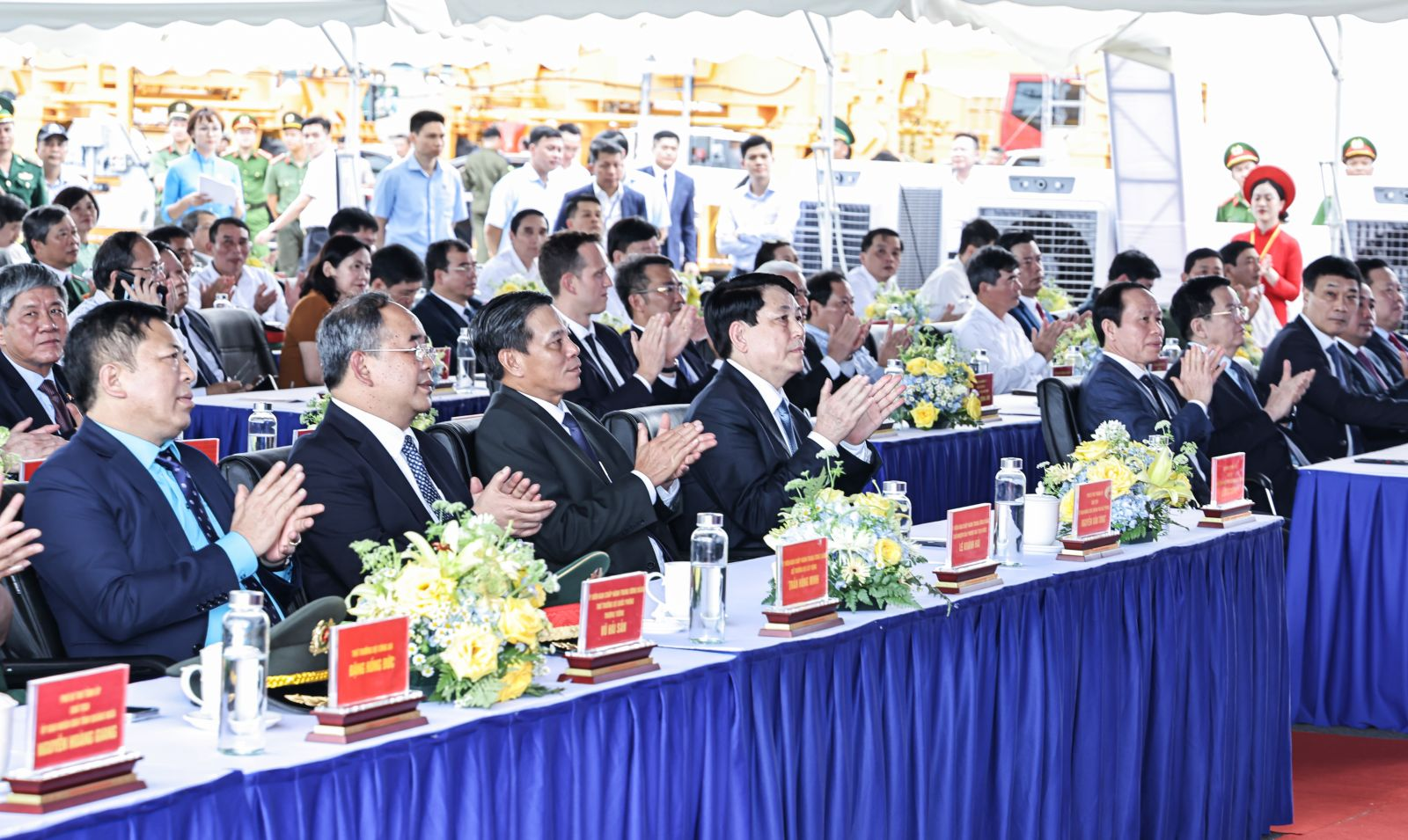
Comrade Le Trung Kien, Head of Hai Phong Economic Zone Management Board, spoke at the meeting.
Director Kiên also urged enterprises to improve supply chain transparency; deepen collaboration between FDI and domestic firms to build resilient domestic supply chains; accelerate digital transformation and adopt new technologies to optimize costs; strengthen branding through quality (not low-price) competition; and diversify markets with flexible short- and long-term strategies.
According to the Hải Phòng Economic Zone Authority’s analysis of 64 out of 130 surveyed exporters—representing USD 28.7 billion (80% of the city’s export value)—indirect exports to the U.S. totaled USD 6.11 billion. At a 46% tariff, total losses are estimated at USD 2.81 billion. Affected businesses include 64 firms exporting directly or via export-agents.