
On April 22, 2026, the Hai Phong City People's Committee issued Plan No. 145/KH-UBND regarding the implementation and completion of shared and specialized databases across the city for the year 2026. This is a key step in realizing the City Data Strategy toward 2030, creating a solid foundation for leadership, governance, and the development of a digital economy and society.
Establishing the Foundation for Modern Digital Government
Plan 145/KH-UBND was introduced as Hai Phong accelerates breakthroughs in science, technology, and digital transformation in accordance with Politburo Resolution No. 57-NQ/TW. The city has determined that for smart governance, data must serve as the core "crystal system," which is interconnected and shared among all agencies within the political system.
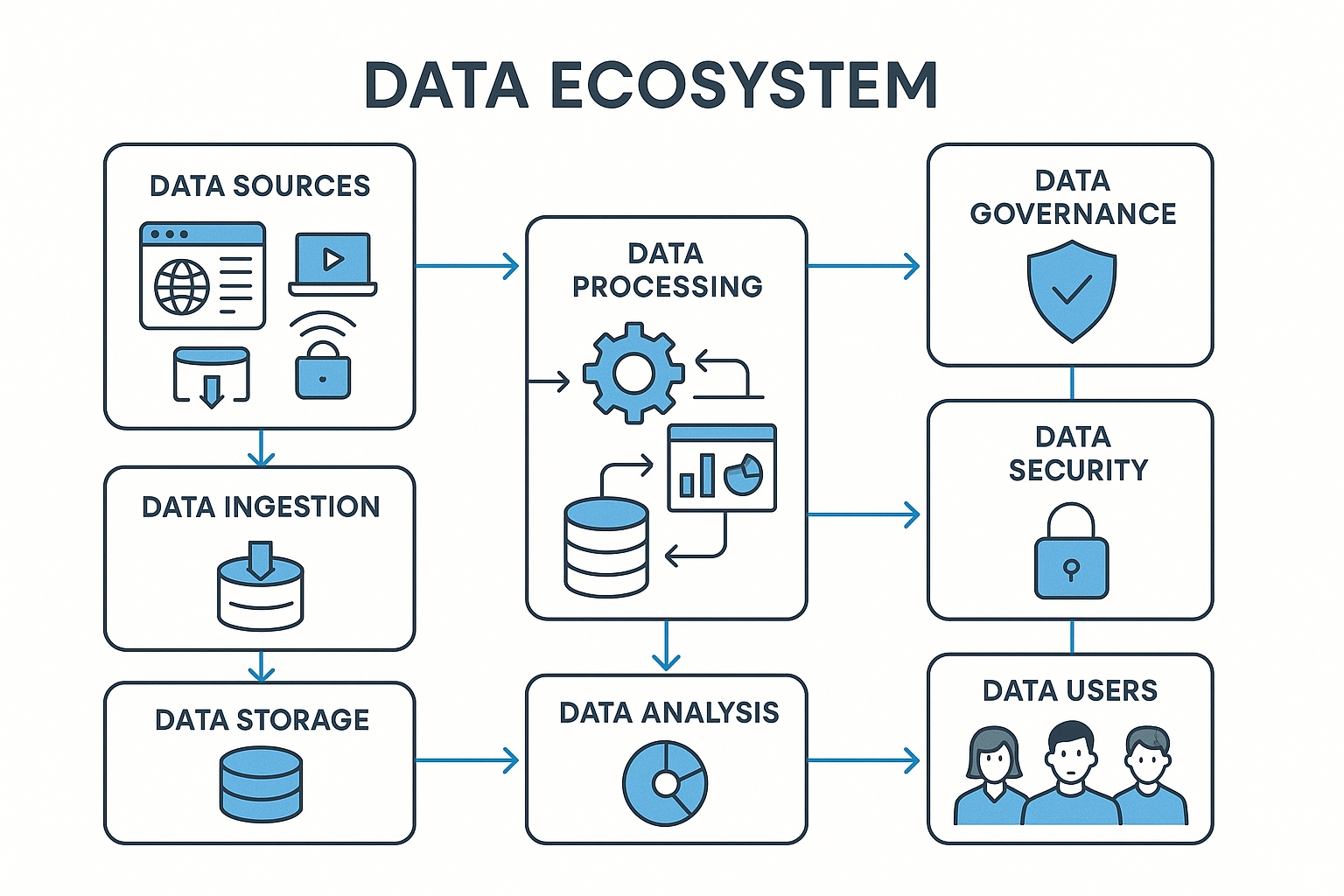
The central objective of this plan is the synchronous implementation of reviewing, standardizing, and updating data across all Departments, boards, and sectors. The city expects to form a unified data ecosystem where information is not only stored but also effectively exploited to directly serve citizens, businesses, and state management.
High Criteria and Requirements
A notable highlight of the plan is the requirement that 100% of shared and specialized databasesmust undergo structural review and standardization. The city is committed to applying strict data management principles based on the criteria: "Correct, sufficient, clean, live, unified, and shared".
This requirement aims to eliminate fragmented, duplicated, or obsolete data. Once standardized, this data will be integrated directly into the City's Shared Data Warehouse, particularly for high-demand information groups and the resolution of administrative procedures in an electronic environment.
A Decisive Roadmap with Clear Decentralization
The plan distinguishes between two main task groups to ensure no data resources are overlooked:
- For existing data (to be completed by June 30, 2026): Departments and sectors are responsible for reviewing all existing data structures and aligning them with national and city standards. Key tasks include adding missing information fields, standardizing identification codes, and connecting directly to the city's Local Government Service Platform (LGSP).
- For data not yet deployed: The city has categorized these by priority based on management needs and social impact.
- High-priority group: Includes practical fields such as Healthcare, Education, Industry and Trade, Culture, Sports and Tourism, Science and Technology, Home Affairs, and the Courts. This group must complete structural updates and data entry before June 30, 2026.
- Remaining group: All update and quality control stages must be finished before September 30, 2026.
To support these units, the Department of Science and Technology is tasked with leading the development of tools such as electronic forms and online data entry systems, to be completed by May 2026.
Responsibility and Inter-Departmental Coordination
Plan 145/KH-UBND emphasizes the "data owner" role of the heads of agencies and units. These leaders are directly responsible to the City People's Committee for the accuracy and progress of their respective units. Specifically, units must build detailed plans following the motto "clear people, clear tasks, clear progress, clear results" and submit reports to the Department of Science and Technology every Thursday.
The Department of Science and Technology acts as the "conductor," serving as the focal point for synthesis, monitoring, and technical guidance for the entire city. Meanwhile, the City Police play a pivotal role in supporting connections with the National Population Database, using personal identification numbers as the foundation for interlinking data while ensuring information security and personal data protection.
Beyond state agencies, the city is also mobilizing the partnership of major technology corporations to provide resources and technical solutions, ensuring the system operates stably and safely against cybersecurity threats.
Parallel to data exploitation, the City People's Committee places special emphasis on security. The construction and updating of databases must strictly comply with technical standards for information safety. The plan requires a clear definition of access and exploitation rights, ensuring that citizens' personal data is protected according to legal regulations.
Expectations for a Digital Future
The issuance of Plan 145/KH-UBND is not merely an administrative task but an all-out campaign for Hai Phong to transform its governance methods. When the data flow is seamless, citizens and businesses will benefit from faster and more accurate public services. City leaders will have a "comprehensive picture" based on actual data to make timely and effective decisions.
Under the close guidance of Vice Chairman Hoang Minh Cuong and the high sense of responsibility from Departments and sectors, Hai Phong is confidently moving toward the goal of completing its digital data infrastructure by the end of 2026, affirming its leading position in the national digital transformation effort.