
The business trip of the Hai Phong city delegation to Japan from May 24 to May 30, 2026, concluded successfully, opening breakthrough prospects for building a modern and sustainable solid waste management system for the city. This was not merely a technical training course but a step contributing to Hai Phong's realization of green and circular economy goals in the future.
A Journey to Learn from the World's Leading Models
The delegation, consisting of leaders from the Department of Finance, the Department of Agriculture and Rural Development, and the Transport Project Management Unit, represented Vietnam in the Technical Deep Dive (TDD) training program organized by the World Bank (WB). Throughout an intensive working week in Tokyo, Yokohama, Kamakura, and Hayama, the delegation accessed the latest knowledge from the WB's "What a Waste 3.0" strategic report and directly surveyed typical field models.
Three Core Lessons from Japanese Practice
From practical experiences in top recycling towns like Osaki or non-incinerator cities like Kamakura, the delegation summarized three valuable lessons applicable to Hai Phong:
- Changing mindset from "disposal" to "resource management": Waste should no longer be seen as a burden but as a secondary resource. International experience shows that the economic value of waste is only exploited when the entire chain, from sorting to the consumption of recycled products, is designed synchronously.
- Synchronization between infrastructure and behavior: A sustainable system requires a combination of high-tech centralized treatment infrastructure and decentralized sorting-at-source solutions. In particular, the quality of sorting at the household level plays a decisive role in the efficiency of the entire subsequent system.
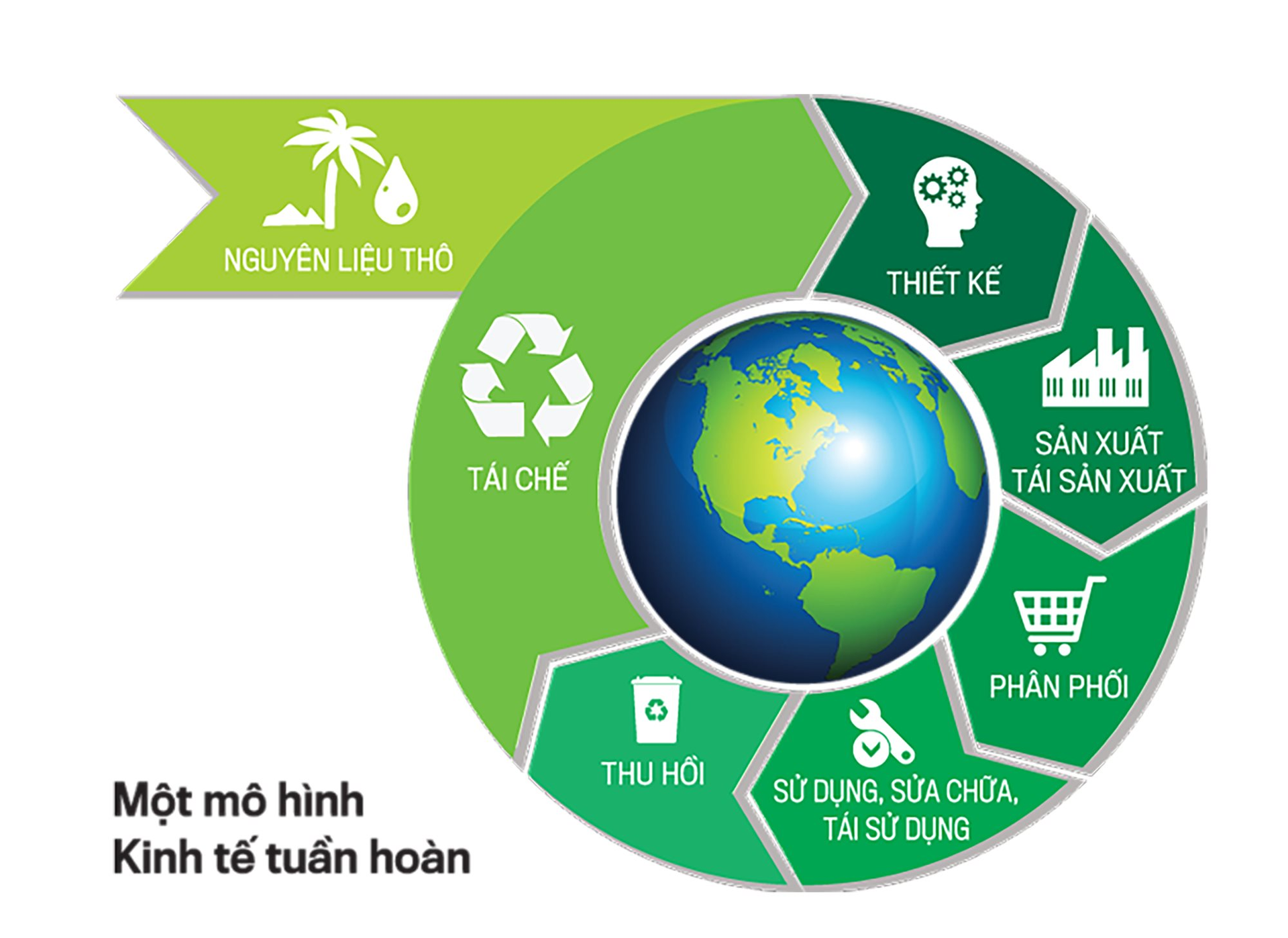
- Building a circular economy ecosystem: The system only operates stably with close coordination according to the "Government – Business – Scientist – Community" model. Within this, communication and education to build a "waste sorting culture" are key factors.
Facing Reality and Hai Phong's Aspiration for Transformation
Currently, Hai Phong generates approximately 3,300 tons of solid waste per day, with a relatively high collection rate (90-95%), but the rate of recycling and composting only stands at 24%. Although the city has completed a solid legal framework with various decisions on unit prices and incentive mechanisms, the collection infrastructure and equipment are not yet synchronized, remaining primarily mixed and manual.
The business trip to Japan provided specific "answers" to these challenges. The greatest significance of the trip is helping city officials reshape the development roadmap, thereby advising on policies more aligned with reality to increase public consensus.
Expectations and Breakthrough Steps Following the Trip
Based on lessons from Japan, the delegation proposed several key tasks to the City People's Committee to create a strong shift:
- Restructuring collection frequency: This is considered a direct "behavioral lever". Instead of daily mixed collection, the city should aim for separate collection of organic waste (once per day) and other types of waste (2-3 times per week). This not only reduces costs but also prevents cross-contamination of waste after sorting.
- Building a "Zero-Waste" model in Cat Hai: A major expectation for the Cat Hai special district is to research a circular economy model at the Ang Cha Cha treatment area, aiming to build a brand of waste-free ecological tourism to create a highlight for the city's sustainable tourism.
- Modernizing infrastructure: Transitioning from manual collection to motor vehicles and applying technologies such as Digital Twin in environmental management to optimize resources.
The business trip not only brought back technical knowledge but also fostered confidence and determination for the city's team of officials. With specific action plans and support from international organizations like the World Bank, the city's residents can fully expect a Hai Phong that is not only economically dynamic but also a model for a green, clean, and sustainable urban area in the new era.