
In the context of globalisation and increasingly intense strategic competition among cities, major urban centres are no longer merely the administrative and economic hubs of their respective nations, but are also becoming “global nodes” for trade, logistics, finance, science and technology, and culture. The development of “global cities” has emerged as a defining feature of the twenty-first century, as the role of urban areas increasingly extends beyond national borders to participate directly in global economic and governance networks.
Around the world, many port cities such as Singapore, Shanghai, Shenzhen, Rotterdam, and Dubai have risen to become highly influential international centres by effectively leveraging their geo-economic positions, developing modern infrastructure, reforming institutions, and promoting innovation. In practice, the majority of cities with global influence are either seaport cities or international trading hubs. According to statistics, by the year 2000, approximately 80% of the world’s 25 largest cities were port cities.
For Viet Nam, Resolution No. 06-NQ/TW of the Politburo has set the objective of developing at least five internationally recognised cities by 2045. In particular, Resolution No. 45-NQ/TW envisions Hai Phong becoming an international logistics centre, a global maritime city, and a highly developed Asian urban centre by 2045. This is not only a strategic objective for the city, but also reflects the inevitable demands of deep international integration.
With its advantages as the largest seaport centre in northern Viet Nam, the maritime gateway of the Northern Key Economic Region, and a key node within the Viet Nam-China economic corridor, Hai Phong possesses many favourable conditions for development along the lines of an international city model. However, in order to realise this ambition, the city needs to undertake in-depth studies of the experiences of global cities around the world in order to identify a model best suited to its own practical conditions.
Singapore: The “City-State” Model and a Global Connectivity Hub
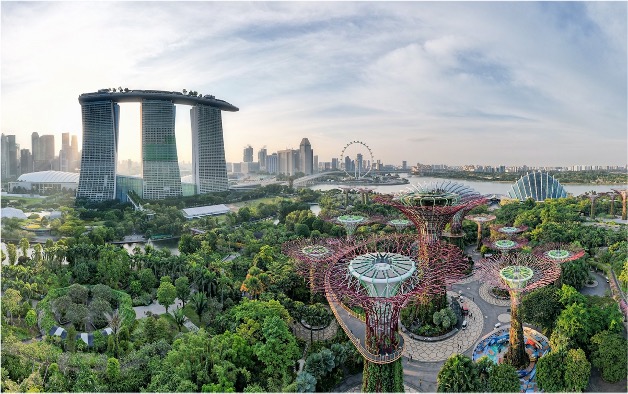
Marina Bay Sands in Singapore (Photo: Internet)
Singapore is a typical example of success in building a global city. From a small nation with limited natural resources, Singapore has risen to become one of the world’s leading centres for finance, logistics and innovation.
The key factor behind Singapore’s success lies in its development strategy centred on global connectivity. The country has effectively leveraged its strategic location along major international shipping routes to develop its seaport, logistics network and financial services sector. The Port of Singapore consistently ranks among the world’s largest container ports, while Changi Airport has become a major international aviation hub.
In addition to its modern infrastructure, Singapore has established a transparent investment environment, efficient administrative procedures, and flexible policies to attract international talent. The country has also placed strong emphasis on the development of education, science and technology, digital transformation, and smart cities. Its commitment to green development, effective urban governance, and a high quality of life has enabled Singapore to become one of the world’s most competitive cities.
Singapore’s experience demonstrates that becoming an international city depends not only on port infrastructure, but also on the ability to connect flows of goods, capital, knowledge, and global talent.
Shanghai and Shenzhen: Success through Institutional Reform and International Integration
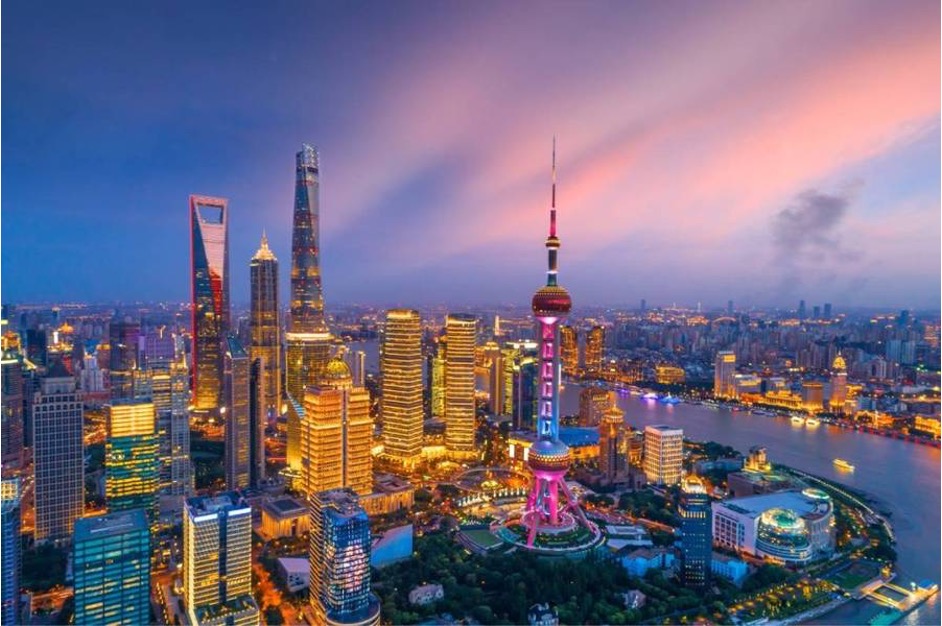
Shanghai Tower (Photo: Internet)
Shanghai and Shenzhen are two outstanding examples of China’s remarkable transformation during the period of reform and opening-up.
Shanghai, once a traditional port city, has developed into an international financial and commercial centre through its open-door policies, the establishment of free trade zones, and major investment in logistics, port and aviation infrastructure. Today, Shanghai operates the world’s largest container port and serves as China’s principal economic gateway.
Meanwhile, Shenzhen has transformed from a small fishing village into one of Asia’s leading centres for technology and innovation. The establishment of a Special Economic Zone, combined with flexible governance mechanisms, strong investment incentives, and a business-friendly environment, enabled the city to attract major technology corporations such as Huawei, Tencent and DJI.
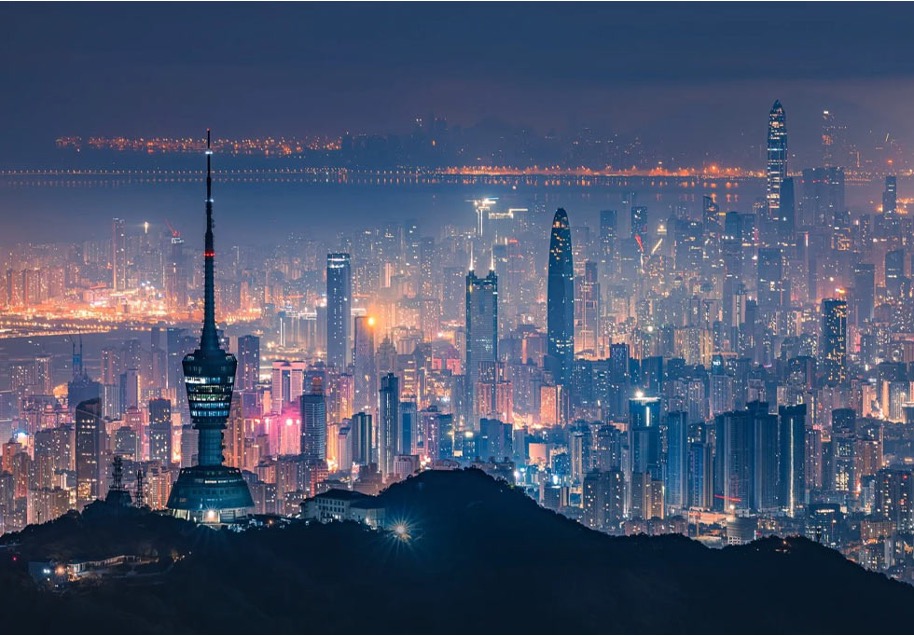
Shenzhen City (Source: Internet)
An important lesson from China is the decisive role of institutions and special policy frameworks. Granting greater autonomy to urban authorities, establishing free trade zones, promoting the digital economy, and attracting high-quality talent have been key drivers enabling cities to integrate rapidly into global economic networks.
Rotterdam and Dubai: The Development of Logistics and International Services
Rotterdam is Europe’s largest logistics and seaport hub. The city is renowned for its modern port management model, digitalised logistics system, and commitment to green economic development. Rotterdam is not only a major cargo transshipment port but also an international centre for industry, trade and logistics services.
One of Rotterdam’s most notable features is its sustainable development strategy. The city has invested heavily in green technology, smart port systems, carbon emission reduction, and climate change adaptation. This experience is particularly relevant for coastal cities such as Hai Phong.
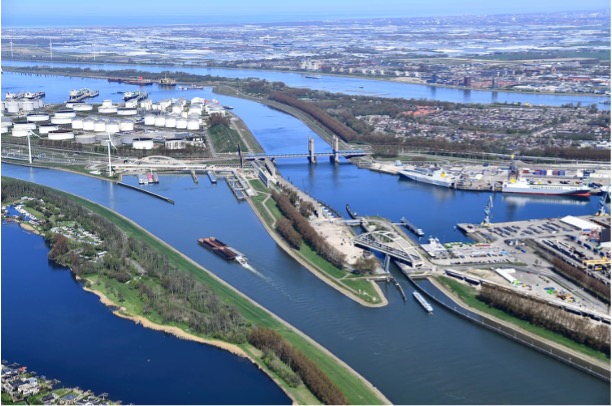
Rotterdam Port (Photo: Internet)
Dubai, meanwhile, is a prime example of economic diversification. From a small port city in the Middle East, Dubai has evolved into a global centre for trade, finance, tourism and logistics through its strong open-door policies, free trade zones, and internationally competitive investment environment.
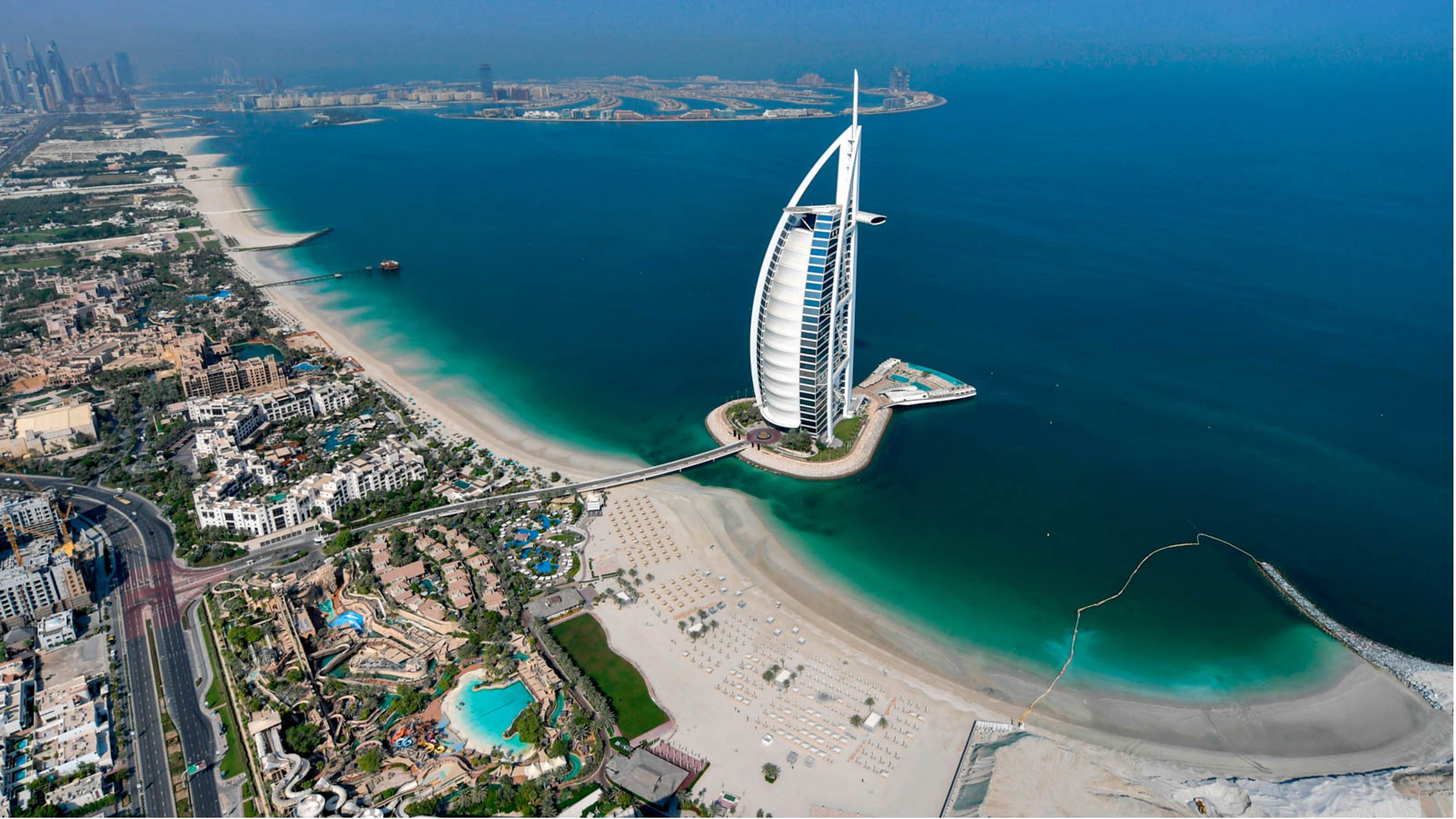
The sail-shaped Burj Al Arab hotel in Dubai (Photo: Internet)
Dubai demonstrates that, for a city to achieve international prominence, it must build a strong global brand, develop modern service industries, and create an attractive living environment for professionals, investors, and the international community.
Lessons for Hai Phong
Drawing on the experience of successful international cities around the world, several important lessons can be identified for Hai Phong.
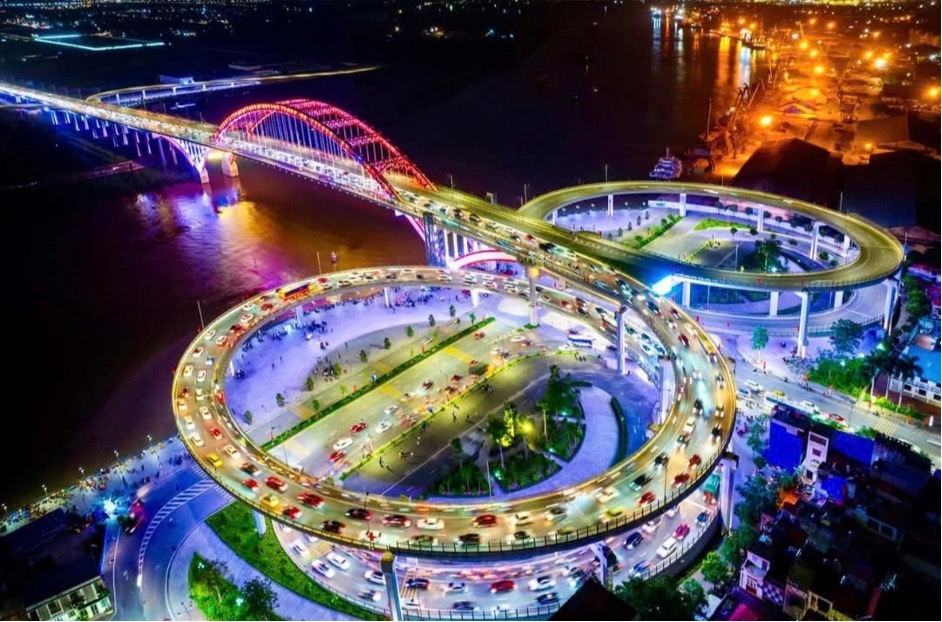
Hai Phong city at night (Photo: Internet)
First, leveraging strategic location advantages and an internationally connected transport infrastructure.
Hai Phong is one of the few localities in Viet Nam with all five modes of transport: road, sea, rail, air and inland waterways. The Lach Huyen international gateway port, Cat Bi International Airport, and the future Lao Cai - Ha Noi - Hai Phong railway will create favourable conditions for the city to develop into a regional logistics hub for Northern Viet Nam.
Experiences from Singapore, Rotterdam and Shanghai show that, to become a global city, an urban centre must serve as a hub connecting global flows of goods, people and capital.
Second, establishing special institutional frameworks and an internationally competitive investment environment.
Successful global cities are characterised by flexible, transparent, and business-friendly governance mechanisms. Hai Phong should make effective use of the special mechanisms permitted by the National Assembly, while accelerating administrative reform, digital transformation, and the development of e-government and a free trade zone.
Attracting high-quality foreign direct investment (FDI) should shift from a focus on quantity to quality, prioritising high-tech industries, smart logistics, financial services, green industries, and innovation-driven development.
Third, promoting innovation and developing an internationally integrated workforce.
A global city is not only strong in industrial production but must also function as a centre of knowledge and innovation. Hai Phong should develop an innovation ecosystem that links enterprises, universities and research institutes; and establish research centres in marine science, logistics, high technology and artificial intelligence.
At the same time, the city needs policies to attract experts and high-skilled labour, while fostering an international education environment and bilingual training programmes to meet the requirements of global integration.
Fourth, developing a green city and enhancing quality of life
Modern global cities are increasingly oriented towards sustainable development. Hai Phong should prioritise the development of green ports, smart urban systems, modern public transport, and climate change adaptation measures.
In addition, greater investment is needed in healthcare, education, culture, public spaces, and high-quality urban services to create an attractive living environment for residents and the international community.
Fifth, building an international city brand
Cities such as Singapore and Dubai have achieved success through the development of strong global identities and branding. Hai Phong should position itself as an “international maritime city” and a “logistics and global connectivity hub of Northern Viet Nam”.
Promoting maritime cultural values, the identity of the “Red Flamboyant City”, as well as the Cat Ba archipelago, Con Son – Kiep Bac heritage, and distinctive cultural festivals will contribute to enhancing the city’s international appeal.
Opportunities and Prospects for Hai Phong
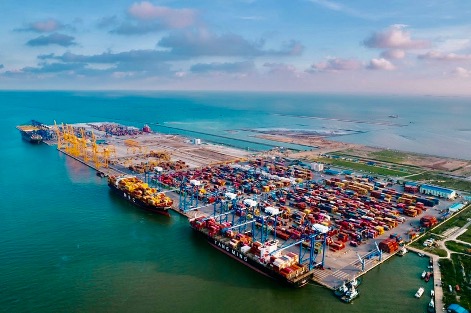
Lach Huyen Port, one of the world’s 20 largest deep-water seaports (Photo: Internet)
Hai Phong is currently entering a historic turning point in its development, as it simultaneously benefits from a range of favourable conditions in terms of geo-economic location, strategic infrastructure, institutional drivers, and global economic restructuring trends. These factors provide important foundations for the city to gradually transform from a traditional industrial and port centre into an internationally connected urban area and a regional-scale maritime economic hub.
First and foremost, Hai Phong’s greatest advantage lies in its strategic position within both national and regional development space. The city serves as the maritime gateway to Viet Nam’s Northern key economic region and is located along the Viet Nam - China economic corridor.
In the context of global supply chains undergoing significant restructuring following the COVID-19 pandemic, and amid intensifying strategic competition among major economies, Hai Phong’s position is becoming increasingly important as a logistics hub, a cargo transshipment centre, and an emerging industrial production base in Southeast Asia.
Unlike many other localities, Hai Phong possesses all five modes of transport, including sea, air, road, rail, and inland waterways. This rare advantage enables the city to develop a large-scale multimodal transport network.
The Lach Huyen international gateway port, capable of accommodating large vessels sailing directly to Europe and the Americas, has allowed Hai Phong to gradually integrate more deeply into global logistics chains. In the future, once the Lao Cai - Ha Noi - Hai Phong railway is completed and connected to trans-Asian transport corridors and the southwestern region of China, Hai Phong’s role as an “international gateway” will be significantly enhanced.
The city will not only serve as the northern Viet Nam hub for import and export activities but also has the potential to become an international cargo transshipment point linking Northeast Asia and Southeast Asia.
Alongside transport infrastructure, Hai Phong’s economic growth momentum is also creating an important foundation for the city’s internationalisation. For many consecutive years, Hai Phong has maintained double-digit GRDP growth, ranking among the leading localities nationwide. The city’s economic scale has surpassed the USD 30 billion mark, making it a key growth pole in Northern Viet Nam. Notably, the city is undergoing a strong structural shift from a growth model based on traditional industry towards high-tech manufacturing, modern logistics, and the maritime economy.
The presence of global corporations such as Pegatron, Bridgestone, Regina Miracle, USI and Fujifilm, SK not only represents capital inflows but also accelerates integration into global value chains, facilitates technology transfer, and contributes to the formation of a modern industrial ecosystem. Hai Phong’s attraction of more than USD 50 billion in FDI from 44 countries and territories demonstrates its growing appeal to international investors. This reflects significant improvements in the investment environment, governance capacity, and the quality of economic infrastructure.
Notably, Hai Phong’s leading position nationwide in the Provincial Competitiveness Index (PCI) in 2024 is not only significant in terms of administrative reform but also reflects a broader transition from a “regulatory government” model to a “facilitating and development-creating government”. This is a particularly crucial factor for cities seeking deeper integration into global economic networks, as a transparent institutional environment and effective governance capacity form the foundation for attracting high-quality international capital flows.
In terms of foreign affairs and international integration, Hai Phong is gradually expanding its global presence. The city has established cooperative relations with 31 foreign localities, maintains trade relations with more than 130 countries and territories, and participates in various international urban networks such as CITYNET, TPO, and MBBW. The regular reception of high-level delegations, multinational corporations, and international organisations further demonstrates the growing prominence of Hai Phong’s external relations role.
In particular, UNESCO’s recognition of Cat Ba Archipelago and the Yen Tu - Vinh Nghiem - Con Son - Kiep Bac heritage complex as a World Heritage Property has opened up significant opportunities for Hai Phong to enhance its international standing not only in economic terms but also in culture and tourism. This provides favourable conditions for the city to develop an international brand based on the combination of a “modern seaport city” and a “marine eco-cultural and tourism centre”. In the context of growing competition among global cities, cultural identity and quality of life are increasingly becoming important advantages in attracting professionals, investors, and the international community.
However, alongside these major opportunities, Hai Phong also faces a number of challenges in its journey towards becoming an international city. First and foremost, the quality of its international workforce has yet to fully meet the requirements of a knowledge-based economy and deep global integration. The proportion of high-skilled workers, international experts, and personnel in fields such as finance, advanced logistics, modern technology, and global governance remains limited compared to competing cities in the region.
In addition, the city’s international service ecosystem has not yet developed in line with the pace of industrialisation. International financial services, international education, high-quality healthcare, cultural industries, and amenities catering to expatriate communities remain insufficient and not well integrated. This directly affects the city’s ability to attract high-skilled labour and enhance overall urban liveability.
Another challenge is that Hai Phong’s innovation capacity and level of global connectivity remain limited. The city has yet to establish clearly defined international-scale financial centres, research and development (R&D) hubs, innovation ecosystems, or startup networks. At the same time, Hai Phong has not been ranked in the Globalization and World Cities Research Network (GaWC) classifications, indicating that its international influence and level of integration into global economic networks remain modest compared to major cities in the region.
Alongside these factors, rapid development has also placed significant pressure on the environment, urban infrastructure, and climate change resilience. As a coastal city, Hai Phong is highly vulnerable to sea-level rise, natural disasters, and industrial pollution. Without a green development strategy and sustainable urban governance, these issues could become long-term barriers to the city’s ambition of becoming an international city.
Nevertheless, with its existing foundations and the special mechanisms permitted by the central government, Hai Phong possesses significant opportunities for breakthrough development in the coming period. If the city can effectively capitalise on global supply chain shifts, promote innovation, develop a modern maritime economy, and build an internationally oriented living environment, it has strong potential to become a leading logistics hub, high-tech industrial centre, and international gateway of Viet Nam, gradually asserting itself as an emerging global city in Asia by 2045.
In the context of accelerating globalisation and intensifying competition among cities, the development of Hai Phong into an international city is not only an economic imperative but also a strategic task to enhance Viet Nam’s position within the global economic network. Experiences from Singapore, Shanghai, Shenzhen, Rotterdam, and Dubai demonstrate that the success of global cities is determined by strategic vision, flexible institutions, modern infrastructure, innovation capacity, and deep international connectivity.
With its geo-economic advantages, seaport system, well-developed transport infrastructure, and an increasingly improved investment environment, Hai Phong is well positioned to develop into a regional hub for logistics, high-tech industry, and a modern maritime economy. However, to realise this ambition, the city must continue to transform its growth model, enhance the quality of its human resources, develop a green and smart urban environment, and build an internationally oriented innovation ecosystem.
At the same time, promoting maritime cultural identity, heritage values, and improving overall quality of life will contribute to creating a distinctive appeal for Hai Phong in the process of global integration. With strong political commitment, special institutional mechanisms, and ongoing global economic shifts, Hai Phong has a solid foundation to gradually emerge as a modern international city and an important regional connectivity hub in Asia in the coming decades.